Protect your cargo from movement:
choose your case and calculate
Two ways to secure cargo with strapping, two different calculations. Choose the one you need and the calculator tells you how much strapping your shipment takes.
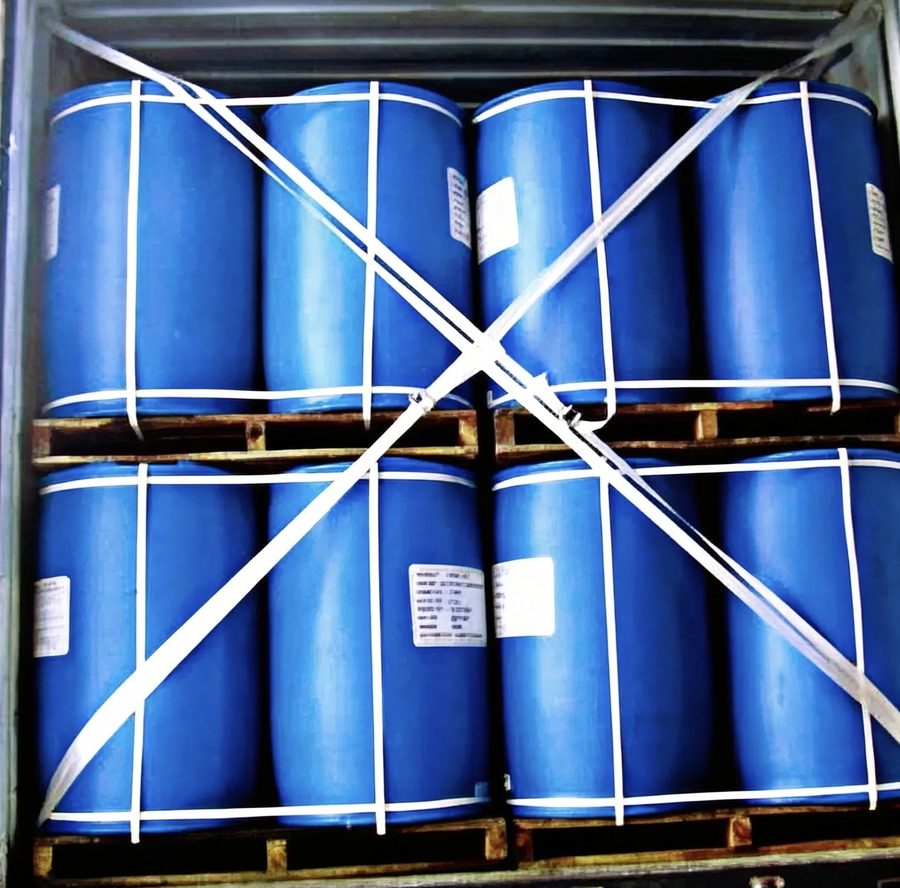

This is what you will install
Each X is two straps crossed over the face of the load, anchored to the container lashing rings and tensioned with a metal buckle.
SECAL recommends 32 mm polyester strapping for X-lashing: the width that combines working strength with stable tension for the whole voyage.


A unitised package does not come apart on the way
The straps keep the package compact and tight against transport vibration, inside or outside the container: truck, warehouse, yard and stowage.
19 mm composite strapping replaces metal or steel banding: it does not rust, does not cut hands or packaging, and regains tension when the load settles.
X-Lashing Strapping Calculator for Containers
Calculate in seconds how many SECAL polyester straps you need to secure your load in an X pattern inside the container, based on weight, floor friction and container size.
SECAL recommendation: 32 mm strappingWeight of a single package or built pallet, not the whole container.
Length × width × height. A standard pallet is 120 × 100 cm.
Cost per strap (optional)
Enter the price you were quoted in US dollars and the calculator tells you what each strap and each package costs. Prices stay in your browser.
Estimated result


Recommended product: SECAL 32 mm polyester strapping, with a metal buckle and edge protector on every sharp edge. This is what the finished lashing looks like.
Reference calculation with SECAL strapping. For special or high-value cargo, always validate the lashing with a SECAL specialist.
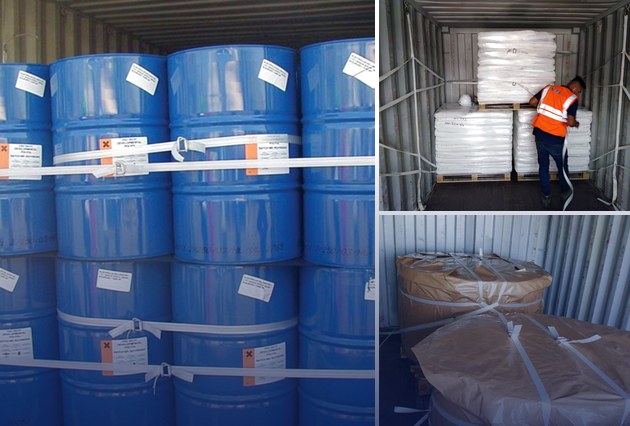

Do you know how to install lashing straps correctly?
Learn the best practices for securing your cargo with SECAL 32 mm lashing straps.
See the best-practice guideWhat the number of straps in X-lashing depends on
The number of polyester straps a load needs is not decided by the total weight of the container, but by the force that must be restrained in each direction during the voyage. A container undergoes different accelerations forwards, backwards and sideways, and the lashing has to answer all of them.
The factors that change the result
- Friction coefficient (µ). The factor that weighs most. With anti-slip material between the load and the floor, restraint multiplies and the number of straps drops markedly compared with a smooth surface.
- Available lashing points. The calculation is only valid if there are rings with certified capacity. If the container has few usable points, the lashing must be redistributed.
- Cargo height and centre of gravity. The taller the package, the greater the risk of tipping and the more decisive the strap angle becomes in X-lashing.
- Tension and accessories. A strap tensioned with a suitable buckle and edge protector keeps its rated strength; without protection, the edge cuts the strap.
Why the CTU Code is the reference
The CTU Code is the international framework that carriers, terminals and insurers use to assess whether a cargo transport unit was packed correctly. Lashing that cannot be justified against that standard weakens any later claim for cargo damage. You can read the summary of the key points of the CTU Code before defining your securing scheme.
What to do with the result
The calculator gives a reference figure. Before sealing, check the real friction, the condition of the lashing rings and the edge protection on site. See the specifications of SECAL strapping and combine the lashing with the dunnage air bag calculator when you also need to fill empty spaces.
Lashing cost, in US dollars
Enter what a roll of strapping costs you. The SECAL 32 mm polyester roll has 230 metres; if yours is a different length, change it. With the metres calculated above you get the cost of securing the container. The price stays in your browser.
Reference strapping cost: excludes buckles, edge protectors, freight and taxes. Metres from the calculation above.